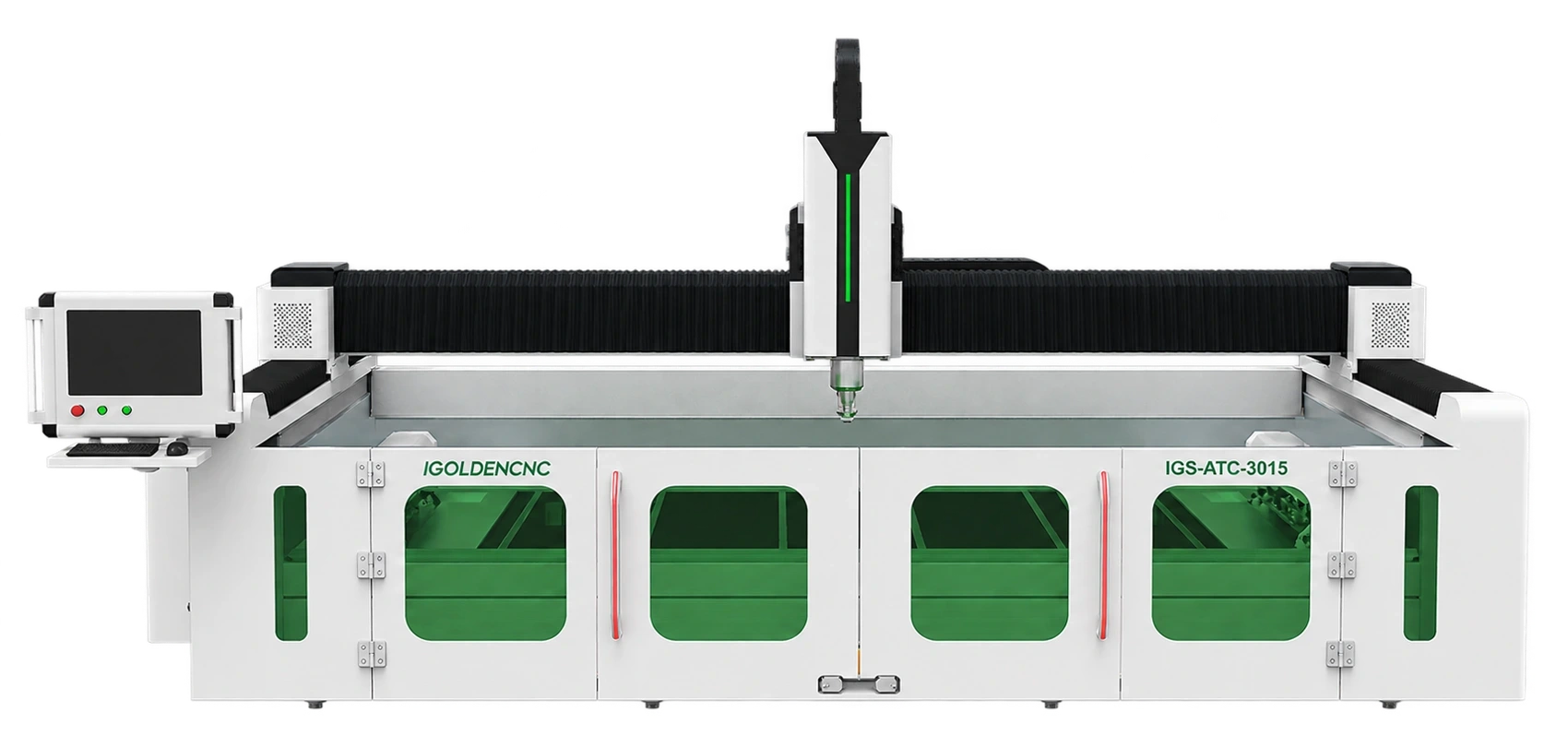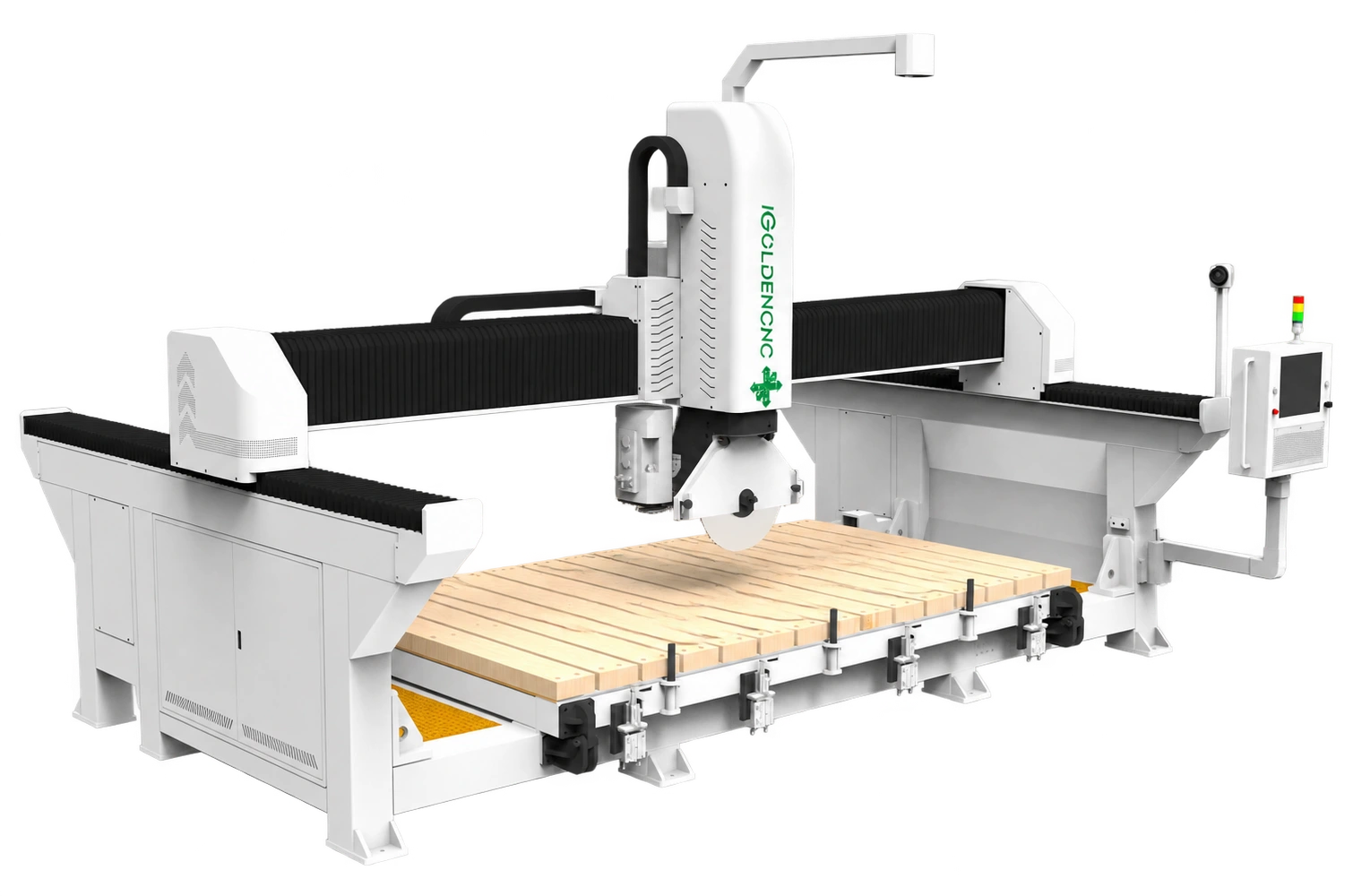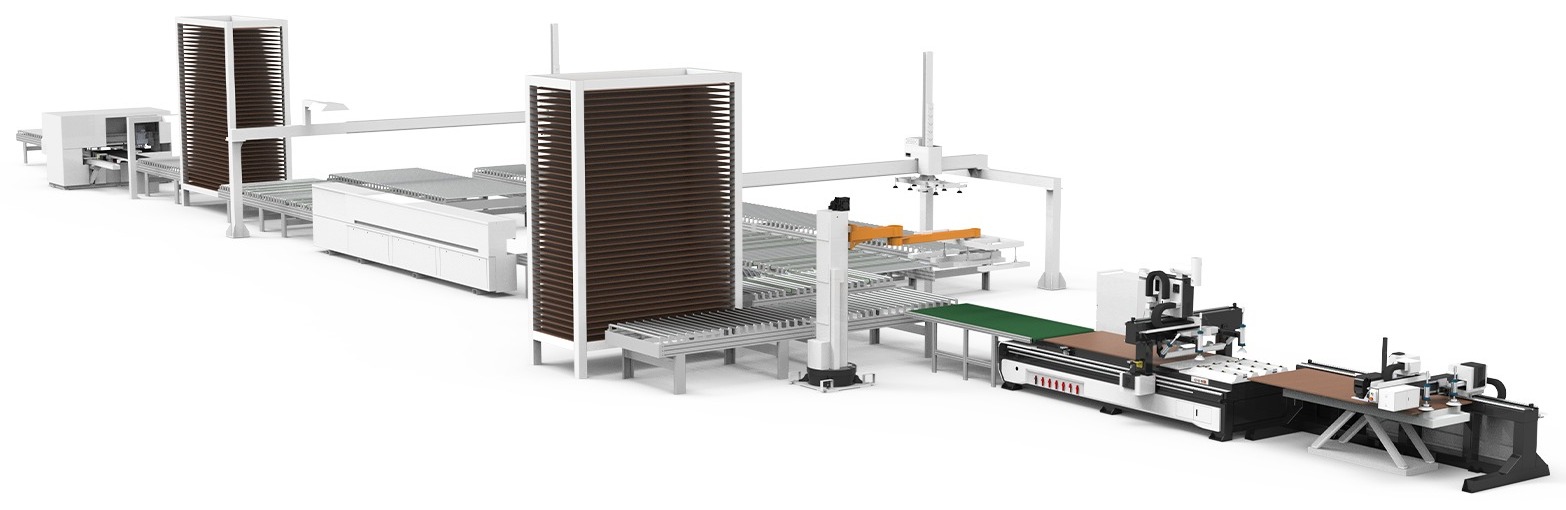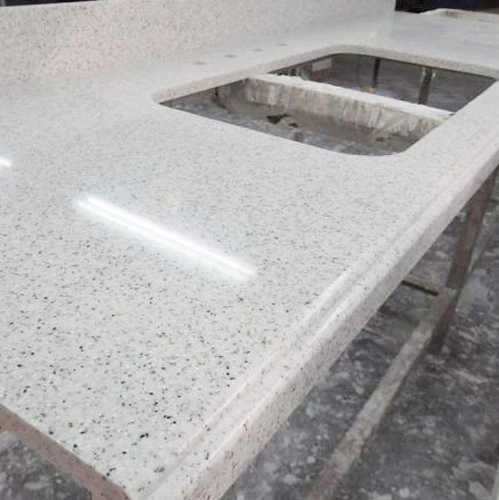
For a typical countertop workflow, make the opening before final edge machining and polishing, using confirmed measurement and sink data. Cutting after polishing can damage a finished edge and require another finishing pass. Confirm the sequence for the material and equipment involved.
The process sequence influences rework as well as the speed of any individual machine.
典型台面流程中,开孔宜排在最终边部精加工与抛光之前,并依据已确认的测量与水槽数据编程。实物模板也可作为测量方式,但需核验精度与数据传递。先抛光后开孔可能损伤已完成的边,造成重复精修;具体顺序还需按材料与设备确认。
决定台面返工率的是顺序,不是机器速度。
How should a sink opening in quartz be cut?
Keep it in the same reference system as the rest of the countertop. Confirm the sink and cabinet dimensions, establish a common datum, cut while the part and offcut remain properly supported, and then complete the edge profile and polishing.
A CNC bridge saw follows programmed paths using a suitable blade or spindle tool; a waterjet uses its own cutting process. In either case, the program reference must match the approved measurements.
- Use one datum. Program the outside contour and opening consistently. Otherwise a countertop may fit the cabinet while the sink does not fit the opening.
- Support before cutting. Plan support for both the workpiece and removable material so an offcut cannot fall onto a finished surface.
- Cut before final finishing. Removing material changes support and stresses. Plan final edge work after the opening, with the sequence confirmed for the particular job.
与台面其余部分放在同一套基准里做:从水槽与柜体测出开孔,用统一基准标定,在板件仍有足够余料支撑时切出,然后再做边型与抛光。
在数控桥切上,开孔由程序生成的切割路径完成,按配置使用锯片或主轴刀具;在水刀上则由水射流完成。两种情况下开孔的几何都来自程序,所以程序的基准——而不是操作工的眼睛——必须与测量结果一致。
由此有三条实操规则:
- 一切共用一个基准。 外轮廓与开孔应从同一基准编程。若外轮廓按一个基准修边、开孔按另一个基准,台面能对上柜体,却对不上水槽。
- 先支撑,后开孔。 在板件仍被其余板料支撑时开孔,并在排版时规划余料,避免它掉下来砸到已加工的表面。
- 开孔在精修之前。 开孔会去除材料、改变板件在夹持下的受力状态。边型与抛光放在开孔之后,而不是之前。
What defines a sink cutout?
A sink cutout is the opening for an undermount or inset sink. Its specification includes length, width, corner radii and position relative to the countertop edges.
Corner radius is easy to overlook. Sharp internal corners can concentrate stress in brittle materials. Agree the radius from the sink requirements, material guidance and machining method before generating the cutting program; it is not simply a styling choice.
水槽开孔是台面上用于安装台下盆或台上盆的开口,由长、宽、圆角半径以及它相对台面各边的位置共同定义。
圆角半径是最常被漏掉的一项。脆性材料上尖锐的内角会集中应力,所以圆角不是外观选择,而是必须在开切之前由水槽、加工方与加工程序三方确认的制造要求。
Seven steps from slab to finished countertop
Use this sequence as a planning framework and confirm the process with the material and equipment requirements.
- Measure. Record cabinets, walls and the sink using an appropriate template or measuring method. Convert approved dimensions into a record that can be checked and reused downstream.
- Lay out the slab. Position parts, openings and offcuts. Optional camera layout on iGS-B3620 (Pro) can capture slab patterns to assist nesting and path planning.
- Cut to the planned allowance. Leave the material needed for the intended edge profile rather than cutting away that allowance too early.
- Machine the opening. Follow the approved geometry and corner radius while maintaining support for the part and offcut.
- Form the edge. Machine the specified straight, angled or shaped profile with the required tools.
- Polish and finish. Finish the profile and any exposed opening edges, with surface treatment as required.
- Trial-fit and verify. Check the cabinet fit, sink opening and wall joints before completing the job.
A faster opening operation does not compensate for avoidable rework caused by the wrong sequence.
以下顺序取自台面车间的实际流程,并标出决定这块板能否往下走的检查点。
01 测量。 量柜体、墙面与水槽,选用适合现场的模板或测量方式。将确认后的尺寸整理成可复核的记录,让排版、编程与最终检查使用一致的数据。
02 在大板上排版。 决定每块件在大板上的位置,包括开孔与余料。iGS-B3620 (Pro) 平台提供相机排版作为可选项,拍摄板材纹理以辅助套裁与路径规划。
03 按尺寸开料,为边型留料。 外轮廓要留出你要做的边型所需材料。先切到成品尺寸再加工边型,等于把边型要用的料切掉了。
04 开孔。 按程序切出水槽开孔,圆角半径按水槽要求,且在板件仍有支撑时完成。
05 加工边型。 走边型——决定台面是否与设计一致的那道工序。石材上的异形边与斜边都在这里成形。
06 抛光与收面。 抛光边型与外露的开孔边,并按需完成表面处理。
07 试装与复核。 把件放上柜体,开孔对水槽,接墙处对缝。到这一步,件才算离开车间。
顺序比任何单道工序的速度都重要。开孔切得很快、却先抛光的车间,返工花掉的时间一定比省下来的多。
Where sequence errors become visible
| Issue | Workshop symptom | Possible consequence |
|---|---|---|
| Opening and outline use different datums | Countertop fits the cabinet but the sink does not align | Reprogramming or replacement |
| Polishing before opening | Damage to a finished edge | Another polishing pass or visible repair |
| Unsupported offcut | Falling material chips the opening | Rework and possible surface damage |
| Unsuitable sharp internal corner | Cracking can start at the corner | Repair or replacement, including after installation |
| No edge allowance | The full profile cannot be produced | Reduced usability or rejection |
These are process and reference issues to check alongside machine capability, material condition and tooling.
| 顺序错误 | 车间里的表现 | 代价 |
|---|---|---|
| 开孔与外轮廓基准不一致 | 台面配得上柜体,水槽装不平 | 整件重新编程或重做 |
| 先抛光后开孔 | 已抛光的边崩边或开裂 | 重新抛光,或在成品上做可见修复 |
| 开孔时余料无支撑 | 余料坠落,砸崩开孔边缘 | 开孔返工,并有损伤板面的风险 |
| 内角过尖 | 安装后从内角起裂 | 交付后的返修,代价最高 |
| 未预留边型余量 | 边型跑不出完整型面 | 降级使用或报废 |
这张表里没有一行是机器能力问题。每一行都是工序顺序与基准的问题。
What does the fifth axis change for openings?
For conventional openings, the question is whether the selected tools and movements can make the required contour. Five-axis orientation can help with supported angled cuts or shaped features, but access, collision limits and the spindle configuration still determine what is possible.
Axis count changes the available geometry, not the need for a sound sequence. See the four-axis and five-axis bridge saw comparison when deciding which movements a job requires. Final finishing still needs to be planned around the opening operation.
常规开孔应先确认刀具与运动范围能否完成轮廓。五轴姿态控制可帮助处理适配的斜切或异形特征,但斜壁、倒勾边等仍需核对刀具可达性、碰撞限制与主轴配置。
这是能力问题,答案在你的订单结构里,而不是在机器参数里——对比见四轴与五轴桥切。就本文范围而言只需记住一点:轴数改变的是你能做出的几何,不改变顺序。五轴机同样要先开孔,后抛光。
Measurement deserves its own review
Measurement and datum errors can travel through every downstream operation. Two practices help control that risk:
- Keep a checked dimensional record. Approved measurements can be used for slab layout, programming and final verification. Physical templates can also be useful, but their accuracy and transfer method must be controlled.
- Check before polishing. Compare the machined opening with the confirmed sink dimensions while a correction can still be made before final finishing.
If a slab must be repositioned, review how the reference is retained. Optional vacuum repositioning on iGS-B3620 (Pro) can assist handling, but it does not remove the need to verify alignment after a move.
测量与基准错误会传递到下游工序,也应同时检查材料、刀具与设备状态。两项措施有助于控制前者:
- 保留经过核验的尺寸记录。 同一组确认过的数据可以用于排版、加工程序与最后复核。使用实物模板时,也要控制模板精度及转录方式。
- 切完先复核。 抛光之前用测到的水槽数据核对开孔。改一刀比改一条抛光边便宜。
在机器这一侧,同一个逻辑也解释了 iGS-B3620 (Pro) 上为什么会有真空重定位这类选项:板料若必须中途重新定位,真空装置可辅助搬运,但移位后仍需确认对齐与基准。
A workshop checklist before cutting
- Does the program include the approved corner radius?
- Do the opening and outside contour use the same datum?
- Are the workpiece and removable offcut properly supported throughout the cut?
- Will the opening be checked against confirmed sink dimensions before polishing?
- Does the process sheet place the opening before final edge finishing?
- Does finishing include the exposed opening edge, not just the outside perimeter?
Answer these questions before the next slab reaches the table.
- 程序里有没有水槽要求的圆角半径?
- 开孔与外轮廓是不是同一个基准编程?
- 切割过程中余料有支撑吗,还是会掉下来?
- 抛光边型之前,有没有用实测数据核对开孔?
- 工序单上,开孔是否排在边型之前——不只是操作工心里知道?
- 抛光工序是否包含开孔边,而不只是外轮廓边?
六个问题,都在下一块板上台之前就能回答。
Frequently asked questions
How should a quartz sink opening be cut?
Use confirmed dimensions and one datum for the contour and opening. Maintain support during cutting, then finish the required edges. Confirm the corner radius from the sink and material requirements.
Should the opening come before polishing?
In the workflow described here, yes: cut and check the opening before final edge polishing to reduce the risk of damaging finished work. Confirm the method for the actual material and machine.
What information defines a sink cutout?
Length, width, corner radii and position relative to the countertop edges, together with the sink installation requirements.
Does every opening require five axes?
No. Conventional openings may be possible with a suitable four-axis configuration and tools. Angled or shaped features require a review of the actual head, access and process.
Why do corner radii matter?
Sharp internal corners can concentrate stress in brittle materials. Agree a suitable radius before cutting and include it in the program.
How can countertop rework be reduced?
Use checked measurements and consistent datums, support the offcut, follow an agreed sequence and verify the opening before final finishing. Also check material condition, tooling and machine setup.
石英石台面的水槽开孔怎么切?
用实测数据编程,开孔与外轮廓共用同一基准,在板件仍有支撑时切出,然后再加工边型、抛光。圆角半径必须来自水槽规格。
开孔应该在抛光之前还是之后?
之前。先抛光再开孔,崩边或裂纹会落在已完成的边上,整件要重新走表面工序。
水槽开孔是什么?
台面上用于安装台下盆或台上盆的开口,由长、宽、圆角半径以及相对台面各边的位置定义。
切水槽开孔一定要五轴机吗?
不一定。适配的四轴机与刀具可以完成常规开孔;斜切与异形特征需进一步核对锯头、可达性与具体工艺。
圆角半径为什么这么关键?
脆性材料上尖锐内角会集中应力,所以圆角是制造要求而不是外观偏好,必须在开切前写进程序。
怎么降低台面返工?
固定基准与顺序:所有切割共用一个基准,开孔排在边部精加工之前,抛光前用实测数据核对。机器速度影响产量,工序顺序影响返工。
Tell us what you need to make
Send the material—quartz, sintered stone, granite or marble—together with countertop and opening dimensions, required edge profiles and weekly output.
把材料(石英石、岩板、花岗岩、大理石)、台面与开孔尺寸、你要卖的边型、每周产能发给我们。这四项正是配置讨论需要的输入,也正是我们询盘表的字段。
- 在石材加工设备页对比机型;
- 异形作业的轴数能力,见五轴数控石材桥切机;
- 拿不准这类活是否更适合加工中心?读石材加工中心配置;
- 准备定配置:发来材料、尺寸、边型与产能。